
Can PRP help manage your knee pain?
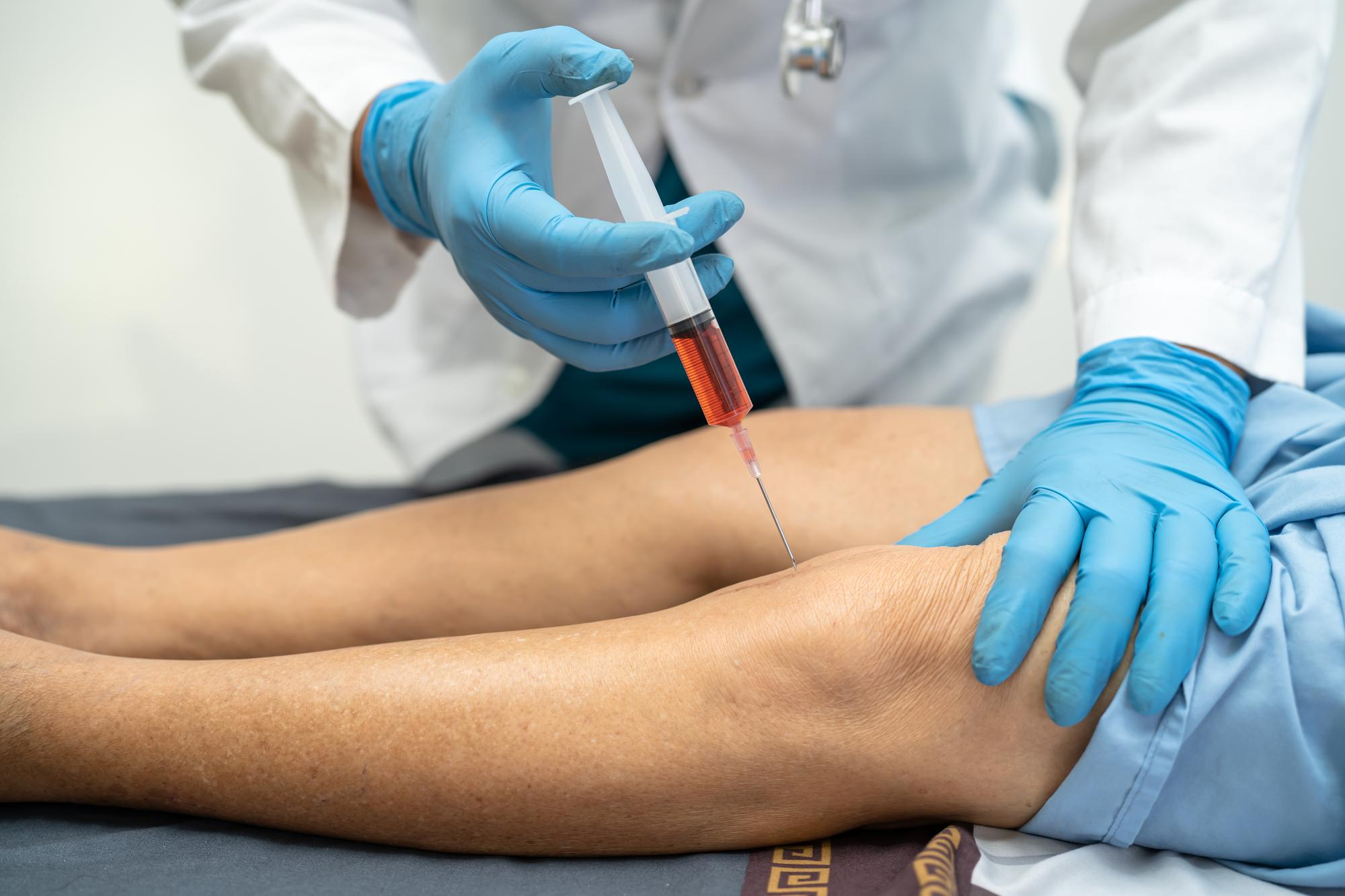
Platelet-rich plasma, commonly known as PRP, is prepared using a small sample of the patient’s own blood. The blood is processed to concentrate the platelets, and the prepared plasma is then injected into the affected knee.
PRP may be considered for selected patients with early- to moderate-stage knee osteoarthritis. The aim is to support symptom management and improve joint function, but individual responses can vary.
PRP is not a cure for arthritis and cannot be presented as a guaranteed way to regrow cartilage or avoid future surgery. A detailed assessment is necessary before deciding whether it is appropriate.
How is PRP therapy performed?
The procedure begins by drawing a small amount of blood from the patient. This blood is placed in a centrifuge, which separates and concentrates the platelet-rich portion.
The prepared PRP is then injected into the knee joint. Imaging guidance may be used when clinically appropriate to improve the accuracy of the injection.
The treatment plan is determined according to the diagnosis, stage of arthritis, symptoms, previous treatments and overall joint condition.
When may PRP be considered?
PRP should be considered only after confirming the cause and severity of the knee problem through clinical examination and appropriate imaging.
A PRP suitability evaluation may be considered for patients with:
- Early- to moderate-stage knee osteoarthritis
- Persistent knee pain or stiffness
- Reduced comfort during walking or daily activities
- Symptoms that continue despite appropriate conservative care
- A preference to explore a non-surgical treatment option
- Realistic expectations about possible outcomes
- A knee condition considered suitable after examination and imaging
Evidence suggests PRP may provide symptom improvement for some patients with low- to moderate-grade knee osteoarthritis, but the quality of evidence and the level of benefit remain variable.
What happens after PRP treatment?
Some patients may experience temporary soreness, bruising or increased discomfort around the injection area following the procedure.
The doctor may provide guidance regarding activity modification, rehabilitation exercises, medication use and follow-up. Improvement, when it occurs, may develop gradually rather than immediately.
Recovery and response differ between patients depending on the condition being treated, its severity and the individual treatment plan.
Is PRP suitable for every patient?
PRP is not appropriate for every person with knee pain or arthritis. The decision should be based on a confirmed diagnosis, the stage of joint damage, general health, current medications, previous treatment response and realistic treatment goals.
Patients with advanced structural damage may require a different treatment pathway. PRP should not delay necessary surgical evaluation when knee arthritis is severely affecting mobility and everyday life.
A consultation helps patients understand the possible benefits, limitations, uncertainties and alternative treatment options before proceeding.